Buying & Selling Guides
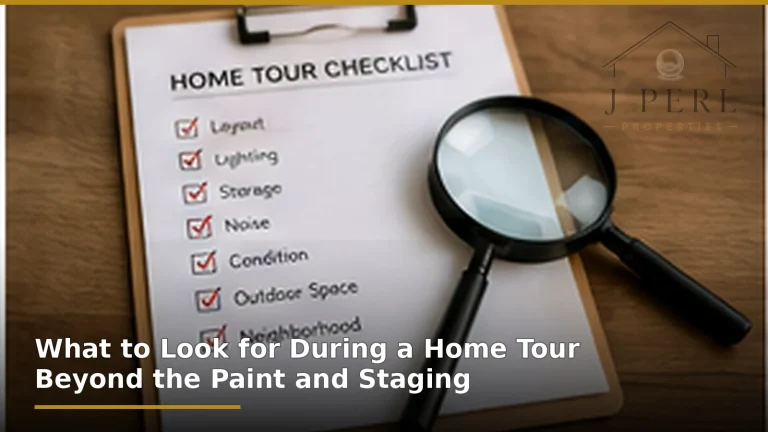
What to Look for During a Home Tour Beyond the Paint and Staging
Learn how to look beyond fresh paint and attractive staging so you can evaluate whether a property truly fits your needs and budget.


A room-by-room and process-focused guide to preparing a property for the market without overspending on improvements that may not support the sale.
Preparing a home for sale is not about making it look perfect. It is about helping buyers understand the property, reducing avoidable distractions, and presenting the home in a way that supports its price and intended audience.
The right preparation plan depends on condition, location, price range, competition, timeline, and available budget. Before beginning major renovations, start with an objective evaluation of what buyers are likely to notice and which improvements are most likely to improve marketability.
Walk through the property as though you are seeing it for the first time. Take notes and photographs. Look for unfinished repairs, burned-out lights, damaged screens, dripping faucets, loose hardware, stained surfaces, cluttered rooms, overgrown landscaping, and maintenance items you have learned to ignore.
A real estate professional can help identify which issues are likely to affect first impressions, photography, inspections, or buyer confidence. A contractor or inspector may be appropriate when the home has known or suspected system concerns.
Not every defect must be corrected before listing, but known material conditions should not be hidden. California residential sales can involve extensive disclosure obligations. For many one-to-four-unit residential transfers, the seller generally provides a Transfer Disclosure Statement, subject to exceptions, and real estate licensees have separate duties regarding observable conditions.1
Create a file containing permits, warranties, invoices, inspection reports, insurance-claim information, manuals, and records for significant improvements. Accurate documentation can help answer questions and distinguish completed work from assumptions.
Repairs should address the cause of a problem, not only the appearance. Painting over a recurring stain without correcting the leak may create larger disclosure and trust issues.
Buyers may accept dated finishes more readily than unresolved safety or functional concerns. Consider addressing items such as:
Use qualified professionals when the work involves electrical, structural, plumbing, roofing, pool, environmental, or code-related issues.
A full remodel shortly before selling may not be necessary. Buyers often prefer a clean, functional home at an appropriate price over a highly customized renovation that does not match their taste.
Before replacing kitchens, bathrooms, flooring, windows, or major systems, compare:
Some improvements increase marketability without returning their full cost. The objective is to support the sale, not to recover every dollar spent.
Clutter makes rooms appear smaller and distracts from architectural features. Remove excess furniture, crowded décor, countertop appliances, overflowing closets, and stored items blocking garages or utility spaces.
Buyers often open built-in cabinets and closets. They are evaluating storage, not your possessions. Aim for organized, partially filled spaces that make capacity easy to understand.
Pack early and store boxes neatly off-site or in a limited area. A garage packed to the ceiling may cause buyers to question whether the property has enough storage.
Professional-level cleaning can be one of the most effective preparation expenses. Focus on windows, tracks, baseboards, grout, fixtures, appliances, cabinets, vents, fans, flooring, patios, and exterior entries.
Address odors at the source. Heavy fragrance can make buyers suspect that something is being covered. Pet areas, smoke residue, damp materials, drains, and HVAC filters may need attention.
Beginning in 2026, California law includes an additional disclosure requirement for certain single-family sellers who know of residue from or a history of tobacco or nicotine smoking on the property. Sellers should review current forms and requirements with their real estate professional.2
Fresh paint can create a cleaner, more consistent presentation, especially when walls are damaged, heavily personalized, or inconsistent between rooms. Neutral does not have to mean stark white. The goal is to improve light and allow buyers to focus on the home.
Do not disturb old painted surfaces without understanding potential lead requirements. Federal law imposes disclosure duties for most pre-1978 housing, and renovation work that disturbs painted surfaces may be subject to lead-safe requirements.3
Buyers begin forming an opinion before they reach the front door. Clean walkways, trim overgrown landscaping, remove dead plants, repair visible irrigation leaks, wash exterior surfaces where appropriate, and make the entry feel safe and intentional.
Check address visibility, house numbers, lighting, door hardware, mailbox condition, and the path from parking. For evening showings, confirm exterior lights work.
In drought-conscious areas, a healthy and maintained landscape does not need to be water-intensive. Clean edges, thoughtful plant placement, mulch, and functioning irrigation can make a larger difference than expensive replacement landscaping.
For pool properties, clean the water, service equipment, repair obvious safety concerns, organize chemicals, and make the deck presentable. Gather maintenance and equipment records. Buyers will evaluate both the lifestyle value and the responsibility.
Outdoor furniture should define usable areas without making patios feel crowded. Remove broken planters, unused materials, and maintenance equipment from primary sightlines.
Staging should clarify function. A small bedroom may be shown as an office, nursery, or guest room depending on the likely audience, but marketing should not misrepresent what the space legally is.
In unusual homes, clear room purpose is especially important. Furniture placement, floor plans, and photography can help buyers understand circulation and possible uses.
Personal photographs, valuables, medications, financial papers, weapons, and sensitive documents should be secured before showings. Remove items that reveal private schedules or account information.
Complete cleaning, repairs, landscaping, and staging before photographs are taken. The listing images set expectations and often determine whether a buyer schedules a showing.
Good photography should be accurate. Overly distorted images may attract clicks but disappoint buyers in person. Include exterior areas, parking, storage, views, pool features, and distinctive spaces when they are material to the property.
A home that is difficult to show may lose opportunities. Create a realistic access plan that protects privacy while allowing qualified buyers to view the property. Keep the home reasonably ready, manage pets safely, and leave clear instructions for security systems, gates, parking, or unusual access.
During the listing period, maintain cleaning, landscaping, pool care, and repair monitoring. A property can lose its initial presentation quickly if upkeep stops after photography.
The best preparation plan is tied to price, timing, and marketing. A home intended for an owner-occupant may be prepared differently from a property marketed to an investor. A distinctive house may require more explanation, while a highly competitive property may benefit from a shorter preparation timeline.
J Perl Properties can provide a pre-listing walkthrough and help you decide what to repair, what to document, and how to present the home without spending blindly.
Important: This article is general educational information and is not legal, tax, environmental, construction, inspection, or disclosure advice. Sellers should review current requirements and property-specific facts with qualified professionals.
Learn how to look beyond fresh paint and attractive staging so you can evaluate whether a property truly fits your needs and budget.
A balanced guide to the enjoyment, costs, safety responsibilities, and due diligence involved in purchasing a home with a swimming pool.
An unconventional floor plan can be a major advantage for the right buyer. This guide explains how to decide whether it fits your life…