Rentals & Property Management
Managing a Small Apartment Complex: Lessons From Hands-On Experience
Hands-on insights from managing a 14-unit apartment community, with practical systems small multifamily owners can adapt to their properties.

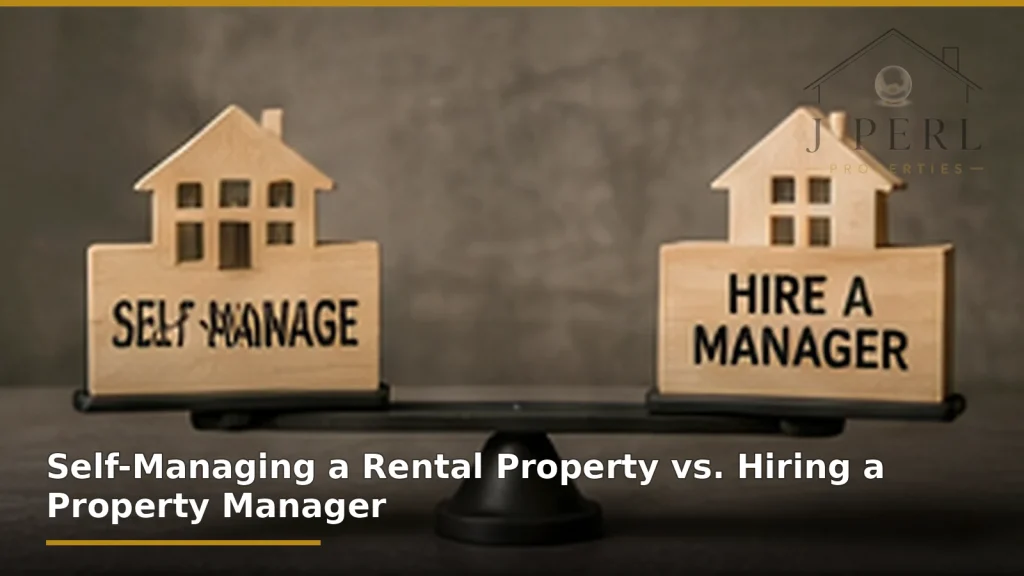
A practical owner self-assessment for deciding which rental responsibilities to keep and which may be better delegated.
Self-management can give an owner direct control and reduce management fees. Professional management can provide systems, local response, documentation, and separation between the owner and daily resident issues. Neither approach is automatically better.
The right decision depends on the property, owner’s experience, available time, location, risk tolerance, and willingness to handle the work consistently.
Before comparing cost, write down the responsibilities:
Owners often underestimate the work because it arrives unpredictably rather than as a fixed weekly schedule.
Self-management may be a reasonable fit when the owner:
A single well-maintained property with a stable resident may require less daily work, but the owner still needs a process for sudden repairs, turnover, or disputes.
Management support may be especially useful when:
A manager cannot eliminate all problems, but can create a system for identifying and responding to them.
Management fees are visible. The cost of self-management is often hidden in time, missed work, travel, delayed repairs, vacancy, inconsistent screening, poor documentation, or legal mistakes.
Estimate the annual hours required for:
Assign a realistic value to the owner’s time. Then compare the cost and scope of professional proposals.
Do not compare only the monthly fee. Review leasing fees, renewal fees, inspection costs, project coordination, markups, notice charges, minimum fees, and termination terms.
Vacancy creates financial pressure. Self-managing owners need quality photographs, accurate advertising, a showing system, written criteria, secure application handling, and a consistent decision process.
Fair-housing law applies whether the owner uses a manager or handles the property personally, although specific legal exemptions can be complex and should not be assumed. Federal law identifies protected classes, and California law provides broader protections.1
A professional manager should have documented procedures and training, but the owner should still review the overall criteria and avoid directing unlawful conduct.
Ask whether you can answer these questions today:
Delayed maintenance can increase cost and create resident, insurance, and habitability concerns. A manager’s local vendor network may be valuable, but owners should understand vendor-selection standards and approval limits.
Self-managing owners need separate and accurate records for rent, deposits, expenses, reimbursements, invoices, and owner funds. A professional manager handling trust funds is subject to California real estate requirements.
Owners hiring a manager should still review monthly statements and reconcile significant expenses. The California DRE recommends verifying the manager’s active license, keeping signed agreements, and reviewing accountings.2
Delegation does not eliminate owner oversight.
Some owners enjoy direct relationships and respond promptly. Others find it difficult to enforce the lease after developing a personal relationship or may communicate emotionally during disputes.
A manager can create professional distance, but should still treat residents respectfully and communicate clearly. The owner should decide how much direct resident contact will remain and avoid giving instructions that conflict with the manager’s process.
In California, collecting rent and managing property for others generally requires an appropriate active DRE license, subject to exceptions. Verify the broker or company, not only the individual who gives the presentation.2
Read the management agreement for:
Some owners do not need full-service management. Possible arrangements may include leasing-only service, inspection coordination, consulting, project support, or full management after placement. Availability and legal structure vary by provider.
A hybrid approach only works when responsibilities are clearly assigned. Gaps create delayed repairs, missed notices, and inconsistent communication.
Rate yourself from one to five:
Low scores in several categories suggest the owner needs systems, training, or professional support.
An owner who comfortably manages one unit may need help after acquiring several properties. A local property may become difficult after relocation. A stable tenancy may turn into a major renovation or legal issue.
The decision is not permanent. Review it after every turnover, acquisition, major repair, or change in personal availability.
The best approach is the one that consistently maintains the property, serves residents, produces accurate records, and helps the owner make informed decisions.
J Perl Properties can help owners evaluate management needs, including the practical systems required for single rentals and small multifamily properties.
Important: This article is general educational information and is not legal, tax, accounting, licensing, or property-management advice. Review current law and the specific service agreement.

Hands-on insights from managing a 14-unit apartment community, with practical systems small multifamily owners can adapt to their properties.
A long-term ownership framework for preserving the physical condition, operating reliability, marketability, and documentation of rental property.
A step-by-step plan for renters who want to move quickly without overlooking costs, lease terms, property condition, or listing verification.