Rentals & Property Management
How to Avoid Common Rental Scams
A practical fraud-prevention guide for renters searching online, touring remotely, and submitting applications or deposits.

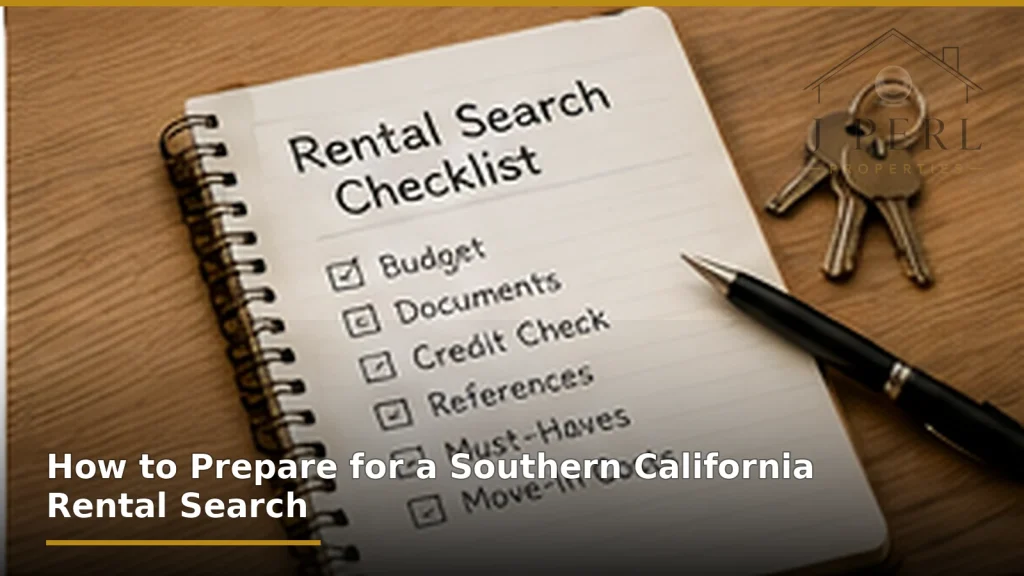
A step-by-step plan for renters who want to move quickly without overlooking costs, lease terms, property condition, or listing verification.
A successful rental search begins before you schedule the first showing. Organized renters can compare properties more clearly, submit complete applications, and recognize listings that deserve extra caution. Preparation is especially important when the property type, price range, or location has limited availability.
The goal is not to rush into the first acceptable rental. It is to become ready enough that you can act promptly when a property genuinely fits.
Start with rent, then add the other costs that can materially affect affordability:
Ask which utilities are separately metered, allocated through a formula, or included in a fixed monthly charge. A lower advertised rent can be less affordable when mandatory fees and transportation costs are added.
Keep enough cash for the first month’s rent, lawful security deposit, application expenses, moving, utility activation, and an emergency reserve. Do not send money until you have verified the property, the person receiving the funds, and the written terms.
Create a map of the places you regularly need to reach: employment, school, medical care, family, worship, shopping, and recreation. Test actual routes at the times you expect to travel. Distance alone does not reveal traffic, parking, or transit reliability.
Evaluate the property and area based on your own needs. Housing professionals should not steer clients toward or away from neighborhoods based on protected characteristics. California and federal fair-housing laws apply to rental advertising and housing services.1
Research public information independently, including transportation, local services, hazards, and any matters important to your household.
Make three lists:
Examples may include a maximum budget, accessibility feature, parking arrangement, pet policy, commute limit, bedroom count, or move-in date.
These may include laundry, outdoor space, air conditioning, storage, natural light, or a particular property type.
Amenities such as a pool, gym, view, upgraded finishes, or smart-home features should not distract from a property that better meets the core needs.
A clear list helps you make decisions when no rental offers every feature.
Landlords and managers may request information to evaluate identity, income, rental history, references, and credit, subject to applicable law. Prepare secure digital copies of commonly requested documents, but protect sensitive information and only submit it through a verified process.
Possible documents include:
Never post unredacted identity or financial documents in a public message or send them to an unverified email address. Ask how information is stored and who will receive it.
Check your credit reports for errors before applying. If there is an issue, prepare a brief factual explanation and evidence of resolution. Do not assume every landlord uses the same screening criteria.
Be accurate about rental history. Inconsistent dates or omitted addresses can slow the process. Contact prior housing providers to confirm current telephone numbers and whether they are willing to respond to verification requests.
California regulates rental application and screening practices, and requirements can change. The California Department of Real Estate’s landlord-tenant guide provides current general information for renters and owners.2
Rental scams often copy real listings, replace the contact information, and offer the property at an unusually attractive price. The Federal Trade Commission reports that scammers may also invent listings or claim they cannot show the property while demanding money in advance.3
Protect yourself by:
A lockbox code or access to the property does not by itself prove authority to rent it.
Look beyond finishes and amenities. Evaluate:
Ask which repairs or cleaning will be completed before move-in and request agreed commitments in writing.
Before paying an application fee or holding deposit, ask what the payment covers, whether it is refundable, what happens if the application is denied, and what happens if the applicant is approved but does not sign the lease.
The California DRE notes that holding-deposit agreements should explain how the money will be handled, including whether it will be refunded or applied to rent or the security deposit.4
Keep receipts and copies of every document. Do not rely on verbal promises that conflict with written terms.
Two similar rentals may have very different rules. Review:
Ask questions before signing. Changes should be written and signed by the appropriate parties.
Complete the move-in condition form carefully. Take date-stamped photographs or video of walls, floors, appliances, windows, fixtures, exterior areas, and existing damage. Send the documentation through a method that creates a record.
Test keys, remotes, appliances, plumbing, alarms, and utilities promptly. Report unresolved issues in writing. Move-in documentation helps distinguish preexisting conditions from tenant-caused damage later.
Pressure can cause renters to ignore cost, condition, or suspicious payment requests. A legitimate opportunity may require a prompt response, but you should still verify the listing, review the lease, and understand the money being requested.
If a property does not meet the requirements, continue the search. The cost and disruption of moving twice are usually greater than the inconvenience of waiting for a better fit.
A renter who understands the budget, documents, property criteria, and application process can respond quickly without giving up reasonable caution.
J Perl Properties can help renters and relocating clients organize the search, compare housing options, and understand the practical differences between available properties.
Important: This article is general educational information and is not legal, credit, financial, fair-housing, or tenant-rights advice. Rental laws and local requirements change. Review the current agreement and consult qualified professionals when needed.

A practical fraud-prevention guide for renters searching online, touring remotely, and submitting applications or deposits.
A structured relocation guide for people who need to choose a rental from another city or state without relying on guesswork or rushed decisions.
A detailed explanation of the operational, financial, resident-service, and risk-management work behind professional rental property management.