Rentals & Property Management
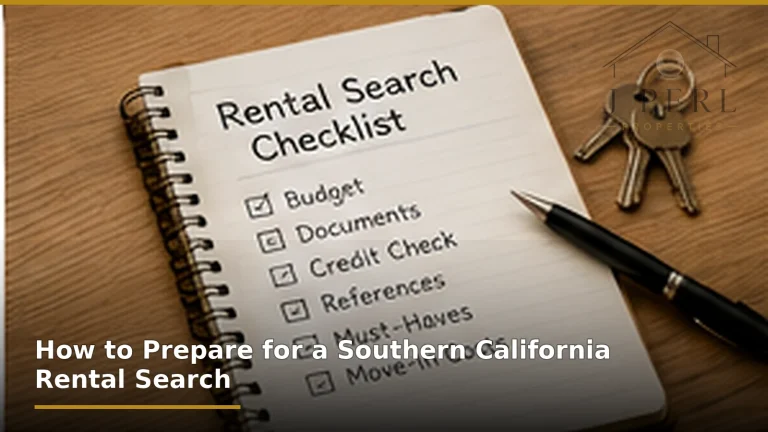
How to Prepare for a Southern California Rental Search
A step-by-step plan for renters who want to move quickly without overlooking costs, lease terms, property condition, or listing verification.

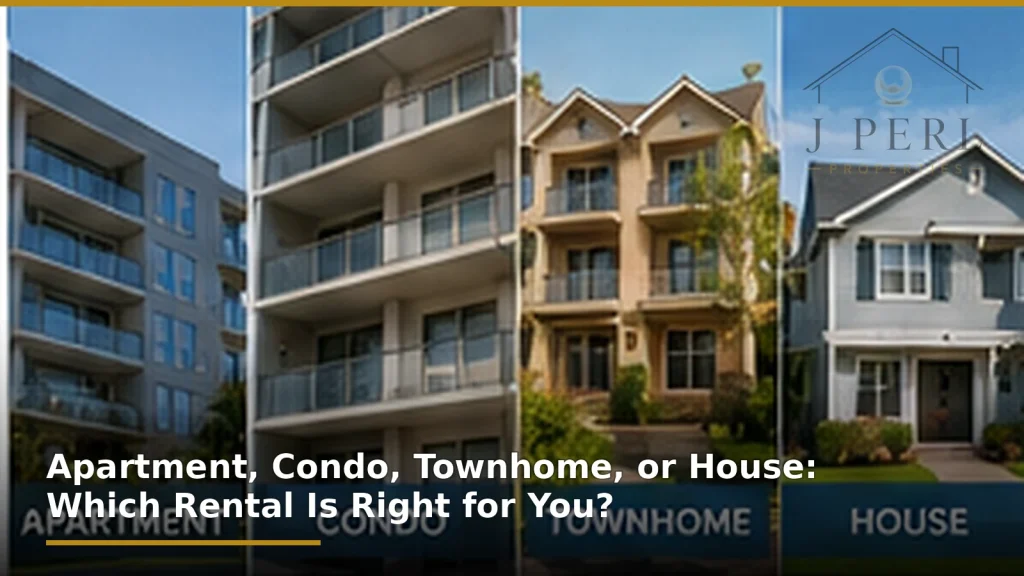
A practical comparison of four common rental types so renters can choose the property that best supports their budget and daily routines.
The best rental is not always the largest property or the one with the most amenities. The right choice is the property that supports your daily routines at a total cost you can sustain.
Apartments, individually owned condominiums, townhomes, and single-family houses can differ in privacy, maintenance, parking, outdoor space, rules, utilities, and the way repairs are handled. Understanding those differences helps you compare more than the monthly rent.
An apartment is typically one unit within a building or community operated by a common owner or management structure.
Ask how maintenance requests are prioritized, whether after-hours service is available, and which amenities or services require additional fees.
A condominium is an ownership structure. The rental unit may look like an apartment, but it is usually owned by an individual and located within a homeowners association.
Request the association rules that affect tenants before signing. Confirm who handles water leaks, appliance failures, HVAC systems, common-area damage, access devices, and emergency repairs.
“Townhome” commonly describes an attached multilevel home with a private entrance. It may be legally structured as a condominium, planned development, or other form of ownership.
Tour all levels and consider how laundry, bedrooms, groceries, pets, and mobility work with the stairs.
A detached house usually provides the greatest physical separation from neighbors and may include a yard, garage, driveway, and more storage.
Read the maintenance section closely. A tenant should understand what routine tasks are expected and how repairs are reported. The landlord remains subject to legal duties that cannot simply be shifted by calling everything “tenant maintenance.”
Create a cost sheet for each property:
A house with lower rent may have much higher utility and commuting costs. An apartment with higher rent may include services you would otherwise purchase separately.
Property type affects noise, but construction and resident behavior matter too. A top-floor apartment may be quieter than an attached townhome near a busy street. A detached house may still experience traffic, aircraft, landscaping equipment, or neighborhood activity.
Visit at different times, stand quietly in bedrooms, and ask about known construction or community projects. No housing provider can guarantee silence.
Ask who receives maintenance requests and who is authorized to enter, approve work, or hire vendors. In an individually owned condo or house, confirm whether the owner uses a licensed property manager and what to do after hours.
California’s DRE advises landlords hiring a property manager to verify an active real estate license when the manager will collect rent and manage property, subject to stated exceptions such as certain resident managers.1 Renters can also verify whom they are dealing with before sending funds.
Important rules may address:
Housing rules must comply with fair-housing laws. Federal law prohibits discrimination based on race, color, national origin, religion, sex, familial status, and disability. California law protects additional categories.2
An elevator building may offer better accessibility than a multilevel townhome. A detached house may have steps at every entrance. Review door widths, bathroom configuration, parking distance, lighting, and routes from the street or garage.
Renters with disabilities may have rights regarding reasonable accommodations and modifications. These matters are fact-specific, and current guidance should be reviewed with qualified resources.
A short-term rental may prioritize convenience, furnished options, and low setup costs. A longer tenancy may place more value on storage, parking, outdoor space, management quality, and renewal expectations.
Ask how renewals are handled, whether the owner has plans to sell or occupy the property, and what notice provisions apply. No answer can guarantee the future, but it can help you assess stability.
Rate each option from one to five in these categories:
The score does not make the decision for you. It prevents a single attractive feature from overshadowing the full living experience.
The best rental is the one that supports your weekday routines, financial plan, and practical needs, not only the one that looks impressive during a tour.
J Perl Properties can help you compare apartments, condos, townhomes, and houses based on the details that will matter after move-in.
Important: This article is general information and is not legal, fair-housing, tenant-rights, or financial advice. Property structures, agreements, and local requirements vary.
A step-by-step plan for renters who want to move quickly without overlooking costs, lease terms, property condition, or listing verification.
A California-focused checklist of practical questions renters should resolve in writing before committing to a rental property.
A practical fraud-prevention guide for renters searching online, touring remotely, and submitting applications or deposits.

